
Stainless Steel Wood Stoves
Every material brings strengths and trade-offs, and that shapes how stainless steel wood stoves can look, feel and age. Heat, water and direct sunlight affect some materials more than others, so think about where it will be used and kept.
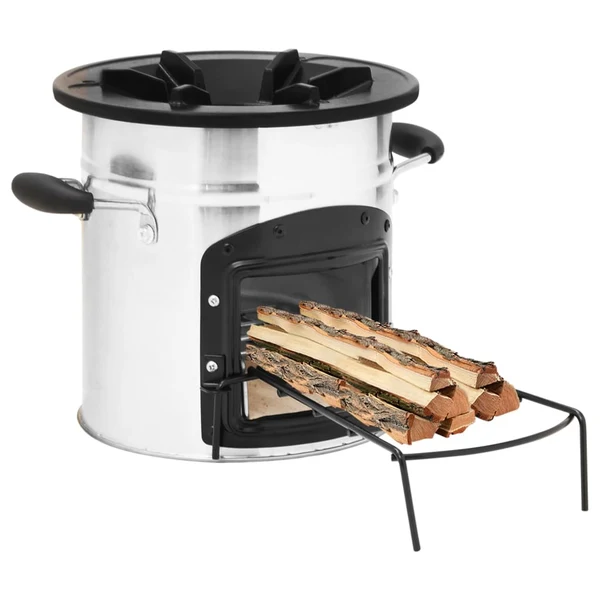
Camping Wood Stove 45.5 x 33 x 25.5 cm Stainless Steel
£176.99 incl. VAT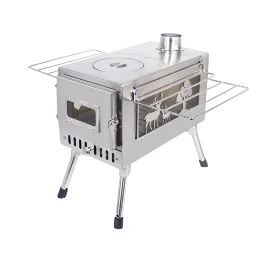
Large Portable Stainless Steel Wood Stove
£1,238.99 incl. VAT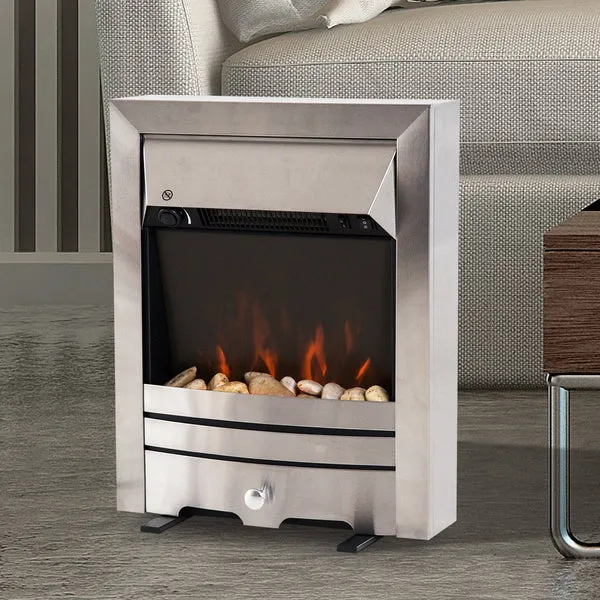
Stainless Steel Electric Fireplace Heater
£332.99 incl. VAT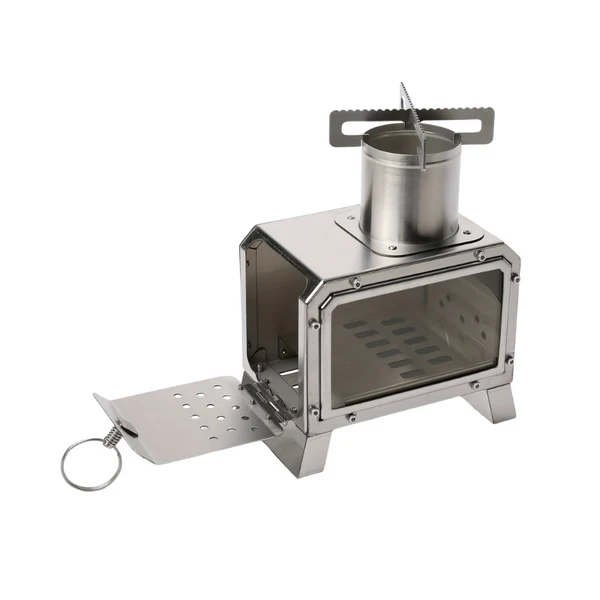
Camping Stainless Steel Wood Stove
£303.99 incl. VAT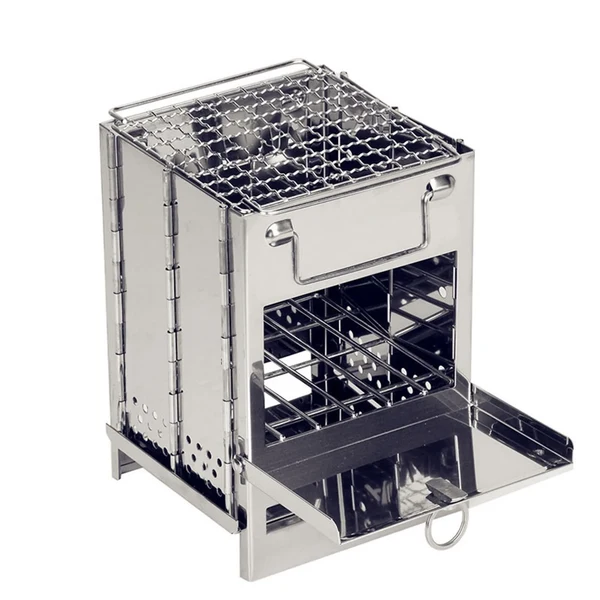
Foldable Stainless Steel Wood Stove
£130.99 incl. VAT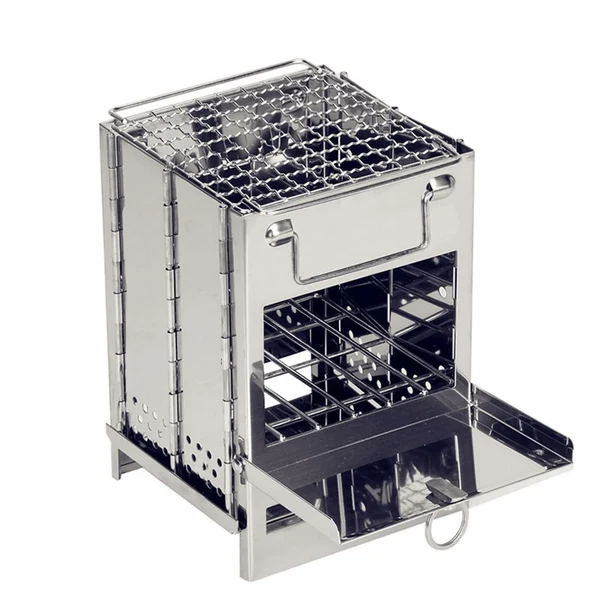
Stainless Steel Foldable Mini Charcoal Grill
£141.99 incl. VATHow this collection works
Different product types, grouped by one shared trait. Pick the type you need, then compare what is left.
Compare materials
Materials shape weight, feel and care; weigh them against daily use.
See what is included
Look-alike items can come with different parts, so check before comparing.
How to choose
- Check thickness or density, as both affect how the material holds its shape.
- Expect slight variation in colour and texture if the material is natural.
- Compare the same kind in other materials: Carbon Steel Wood Stoves.
- Consider how readily the material shows marks, scratches or creases.
- Check storage needs: some materials prefer to be kept dry, flat or out of direct light.
Frequently asked questions
Will stainless steel wood stoves change over time?
Many materials change with use, so stainless steel wood stoves may soften, mellow or develop a patina; check the description to know what to expect.
How does the material affect stainless steel wood stoves?
In stainless steel wood stoves, the material sets weight, feel, appearance and upkeep, and it shapes how each piece ages with regular use.
What does a blend mean for stainless steel wood stoves?
A blend combines materials to balance properties such as feel, strength and care; for stainless steel wood stoves, read the description to see what each component brings.
What should I check when giving stainless steel wood stoves as a gift?
When giving stainless steel wood stoves, check that the material's care needs suit the person receiving it, and choose a finish that is easy to live with.